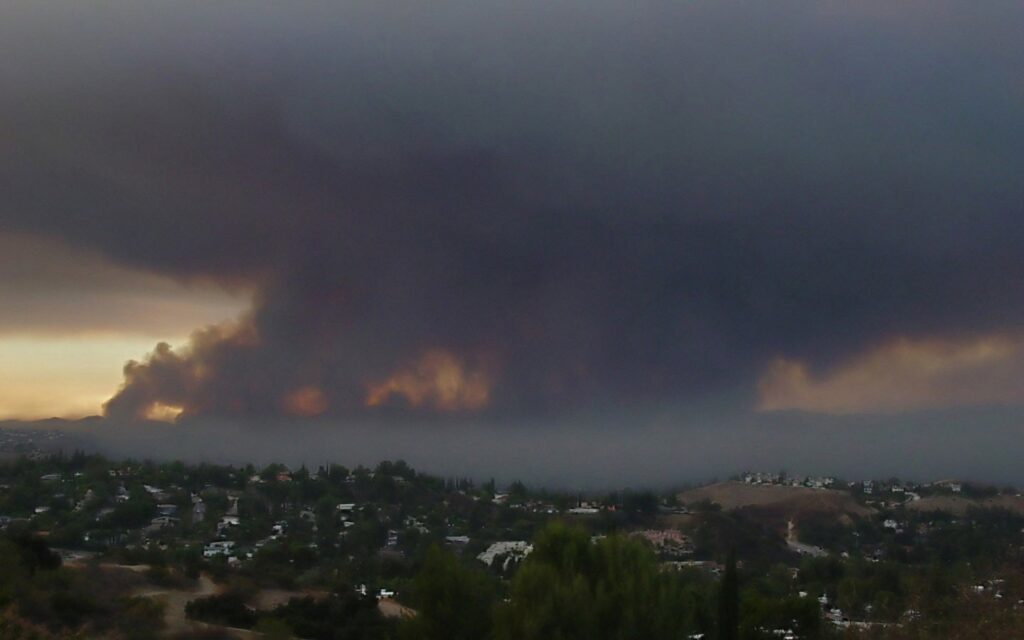
We require air to survive, but a lot of human activity has contributed to air pollution. This can be indoors air pollution and outdoor air pollution – these usually come from slightly different sources.
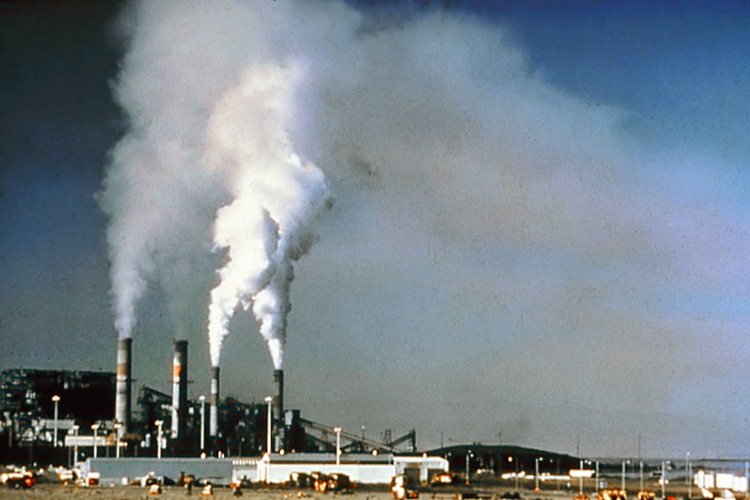
Air pollution can be natural – from volcano eruptions, dust storms, pollen and wildfires. It can also be anthropogenic (made by humans) – this includes pollution from vehicles, power generation, chemical use in manufacturing and certain services, and other sources.
Outdoor air pollutants include exhaust from automobiles, heat and power generation, emissions from manufacturing plants, and so on. Read about major pollutants here – https://www.epa.gov/criteria-air-pollutants. Be sure to click through all of the pollutant types page: ozone, particulate matter, carbon monoxide, lead, sulfur dioxide and nitrogen dioxide.
These pollutants have a harmful effect on human health, including lung health, headaches, cardiovascular disease, and even outcomes of pregnancy. Read more here https://www.niehs.nih.gov/health/topics/agents/air-pollution.
You can check the air quality index (AQI) here https://airnow.gov/ and be aware that heat makes poor air quality effects worse. If you have asthma or other lung problems or if you like to exercise outdoors, check the air quality index, especially on very hot days. The AQI is color coded with green showing good air quality, yellow and orange showing elevated levels of pollution that affects at-risk populations, and red and darker colors showing dangerous and potentially harmful levels for all people. If outdoor air quality is shown as hazardous, the recommendation is to stay indoors, use good quality face masks when going outside, and use air filters indoors.
