What can you do about climate change?

Climate change is largely driven by emission of greenhouse gases into the atmosphere. Where do these gases come from? Read more here – https://www.epa.gov/ghgemissions/sources-greenhouse-gas-emissions. (image below is from this source)

A large proportion of emissions come from cars, trucks, buses, planes and other transportation. Over 90% of these vehicles use petroleum-based fuels. Changes to these trends like more hybrid and electric vehicles, and more efficient public transportation, can help lower emissions.

The second largest section is electricity use, especially for industry and in buildings. Most of the electricity in the United States is still produced by burning fossil fuels, though the share of those sources is decreasing over time. Renewable sources include wind, solar, geothermal, biomass and hydro energy, and they now provide about 21% of all energy generation in the US. Read more here – https://www.eia.gov/energyexplained/index.php?page=electricity_in_the_united_states. It is vital that citizens make a switch to these renewable sources when they can, but also that they lobby for reforms that lead to more renewable energy generation.

Image showing electricity generation from different sources. Trends show that coal has been declining, natural gas increasing and renewable sources increasing some, while nuclear has stayed about the same.
From US Energy Administration

A few other changes in our personal behavior can help reduce emissions. One, switching to a more plant-based diet can help reduce demand for meat production and shrink that section of the farming industry, which is a much bigger polluter and emitter than producing plant-based foods. This can help with your health, as well as decrease the over-fishing of the oceans, which threatens the ocean food web. Also, this can help with deforestation, since many forests are removed to make way for cattle.

Getting more energy-efficient appliances and light bulbs can help reduce your household’s emissions. Setting your thermostat for slightly higher temperatures in the summers and lower in the winters can help with household energy consumption. But most importantly of all, it is important for us to support policy makers and politicians who understand and want to mitigate the effects of climate change.

Can you think of any other ideas?

Environmental exposures

There are certain things in our environment that can increase our chance of illness.

Sun exposure is important for Vitamin D generation in our bodies, but too much can be dangerous. Too much sun, specifically UV radiation (which includes tanning beds), can increase your risk of skin cancer. Make sure to wear sunscreen, sun glasses, or cover up with clothes – https://www.cdc.gov/skin-cancer/prevention/index.html.

One of the most harmful exposures is tobacco smoke. If you smoke, you should try to quit. If you work or live with people who smoke, try talking to them about smoking. Tobacco smoke can also compound other risks to your lung health like air pollution and radon gas.

Consider ingredients in your personal care products and cleaning products. While the beauty industry has quickly adopted terminology like “natural” and “clean,” those terms are not regulated by the FDA. There are several consumer advocacy groups like The Environmental Working Group or MADE SAFE that provide databases of ingredients inside these products, and you can also check the European Union’s lists here (the EU tends to be more strict than the US). Read more here https://newsinhealth.nih.gov/2016/12/making-healthier-home

The story of cosmetics

Plastics may also pose a risk to human health. There is a lot of research currently ongoing about things like phthalates and BPA, substances used in pesticides that may end up in our foods and others. Some suggestions for what you can do to reduce your plastic exposure include not using plastic containers in microwaves and dishwashers, washing fruits and vegetables before eating them, and trying to buy items that don’t contain these chemicals. Read more here https://www.niehs.nih.gov/research/supported/exposure/endocrine.

Some more ideas for lowering your risks are also found here https://www.nih.gov/health-information/environmental-wellness-toolkit.

Water shortages and quality

While the Earth is covered in water, most of that water is not useful for human consumption. Globally, we are already suffering from fresh water shortages and water contamination issues.

Our oceans are vital for regulating global temperature, providing a food source for humans, and providing oxygen in the atmosphere. However, human activity has put the ocean’s food web at risk and increased other effects that can be harmful to our health, like harmful algae blooms. We are also responsible for pollution in the ocean, including plastics, and oil spills. Read more here – https://www.noaa.gov/education/resource-collections/ocean-coasts/ocean-pollution.

Some things we can do is try to reduce our plastic consumption and recycle everything that we can. There are ways we can do this as individuals and as communities – https://www.epa.gov/recycle/reducing-waste-what-you-can-do.

While in the US we have not had to worry much about drinking water safety, globally thousands of people die every year from water-borne diseases – https://www.who.int/news-room/fact-sheets/detail/diarrhoeal-disease.

However, there are issues of water contamination in certain regions in the US, like in Flint, MI. https://www.nrdc.org/stories/flint-water-crisis-everything-you-need-know. Other problems include agricultural runoff and fracking.

Medicines and drugs

A drug is a substance that causes changes in the chemical and biological processes in the body. This is a very general term, and thus, drugs can fit into several categories, both beneficial and harmful to human health.

Medicine is defined as a drug that is meant to prevent, diagnose, or treat a disease. Each country defines for itself how medicines are regulated. In the United States, the Food and Drug Administration (FDA) is responsible for regulating medications.

Some medications require prescriptions from a doctor or other healthcare professional. Others are sold to anyone from a pharmacy – https://www.fda.gov/drugs/questions-answers/prescription-drugs-and-over-counter-otc-drugs-questions-and-answers. In either case, it is important to become educated about using medications safely – know about the right indication for use, the right dosage (how much active ingredient), which active ingredients are present, the risks and benefits, and possible side effects. Read more here about being an active member of your healthcare team – https://iffgd.org/manage-your-health/diet-and-treatments/medications/safer-medicine/

The active ingredient of the medication is the one that interacts with your body so as to treat a symptom or cause of a disease, or prevent or diagnose the disease. The main effect of the drug is this specific therapeutic effect. But most drugs come with side effects – effects that are beyond that main effect. These can be mild or severe. Be sure to read the medication label, package insert or pharmacy print-out to know what to expect.

Medications can also be brand-name or generic. Generic medications are those have been developed once the active ingredient is no longer protected by a patent. This generally means that generic medications are cheaper than the brand name alternatives. https://www.fda.gov/drugs/questions-answers/generic-drugs-questions-answers

Drugs can have interactions with other drugs, with dietary supplements, and even with food. These can amplify the main effects or side effects, cancel each other out, or cause unwanted effects. They can also change how the drug is absorbed, metabolized (or broken down) and excreted out of the body. Read more here – https://www.health.harvard.edu/staying-healthy/7-things-you-can-do-to-avoid-drug-interactions. It is important to tell the doctor or pharmacist what medications (whether over the counter, or even herbal) you use regularly, to avoid interactions.

Drug are administered into the body in several ways, including orally, through injection, by inhalation and other means. https://www.merckmanuals.com/home/drugs/administration-and-kinetics-of-drugs/drug-administration

It is possible to abuse over-the-counter and prescription medications. People may also misuse these types of medications, which means using them for a purpose other than the main effect, or using someone else’s medicines.

Other illicit drugs

People sometimes use illicit (illegal) drugs. Whether a drug is legal or illegal is not necessarily based on how dangerous the drug is, though many of them do have a potential for overuse and abuse. We can consider the different groups of drugs based on the type of effect they have on a person or how people use them.

Depressants are drugs that act by slowing the action of the central nervous system. These include pain killers and tranquilizers, many available by prescription.Some effects of depressants may be a feeling of relaxation, calmness, and drowsiness. Many of these drugs are quite addictive. Some of these drugs can be misused or abused. An example of an illicit depressant is heroin. A drug which has often been in the news, fentanyl, is a medicine which has been commonly sold on the black market and smuggled into the country, and which can cause overdose and death.

Stimulants are drugs that act by increasing the activity of the central nervous system. They can increase the heart rate and cause feelings of excitement, agitation, and alertness. Some of them have medical uses, both prescription and over-the-counter, and some are recreational in nature, like coffee. Examples include caffeine, nicotine, cocaine, and methamphetamine. It is possible to overdose on these substances and that may lead to death.

Anabolic steroids are synthetic versions of the hormone testosterone. Some people use them to enhance athletic performance or to get bigger muscles which is considered a misuse. However, these drugs can be dangerous to their health and have various side effects.

Inhalants are substances like solvents, aerosol sprays, and gases that people use as a psychoactive drug. Examples of products that people use are household cleaners, spray paint, markers and glue – products not intended for getting high. Overdose is possible with these types of drugs.

Club drugs are various drugs that people use that cause a change in mood, awareness and how people act. Another terms for these drugs is psychedelic and dissociative drugs which include mushrooms and MDMA (molly or Extasy). Some of these drugs have been used when committing sexual assault (like rohypnol and ketamine).

Synthetic cannabinoids are human-made drugs that act on the same receptors in the brain as marijuana. However, they may have a more powerful effect and have not been studied as long, so they may be more dangerous.

Opioid crisis

For about 20 years, the US has been struggling with rising rates of use for particular types of drugs – opioids. These drugs interact with opioid receptors in the brain and include prescription pain medications and illegal drugs like heroin. In particular, one of the dangerous possible affects of opioid use is overdose and death.

Most states in the US are struggling with this problem. See a map with rates here –https://www.cdc.gov/nchs/nvss/vsrr/drug-overdose-data.htm. This epidemic has evolved over time from overuse and misuse of prescription pain medication, to increases in illicit heroic use, and the third wave of illegal synthetic opioid use (like fentanyl).

Image shows trends of use of opiods from 1999 to 2017, including 3 distinct waves of prescription pain drugs, heroic, and synthetic opioids.
From CDC.gov
Statistics about the opioid epidemic from HHS.gov. Over 70 thousand people died from drug overdose in 2019. 1.6 million people had an opioid use disorder. 745,000 people used heroin. 10.1 million people misused prescription opioids in the past year. 1.6 million people misused prescription pain relievers for the first time. and others
From HHS.gov

There are some medications available for treating opioid use disorder, including milder opioids like methadone. Overdose deaths can be prevented with an opioid antagonist called naloxone, which prevents the opioid from working in the body. There are also treatment facilities and programs available with therapy, detoxification, and support for those reintegrating back into working and family life, though they may be difficult to access because of money, limited availability, or stigma. Government agencies are also working on preventing opioid addiction, limiting the use of prescription pain medications, and helping people find treatment options.

Substance abuse and substance use disorder

People can abuse drugs when they overuse them, often to the point of various negative consequences. They may start to feel withdrawal symptoms when they stop using the drug – mental, emotional or physical effects that happen because your brain has adapted to having the drug.

It is also possible to develop an addiction to substances. Addiction is a brain disease that is characterized by compulsive use and difficulties in controlling one’s behavior, despite negative consequences. Some people may exhibit tolerance to some substances as a result of use.

Differences in Marijuana Use Disorder  Women:  develop disorder more quickly1 more anxiety disorders2 more panic attacks2 Men:  more severe disorder1 more antisocial personality disorders2 more of other substance use problems2 Prescription Pain Medicines Women are less likely to misuse or abuse prescription pain medicines. Four million women report past-year misuse. Five million men report past-year misuse.3
From NIH.gov
Treatment for Sleeping Aid Misuse Women are more likely to seek treatment for misuse of barbiturates. Fifty-five percent of past-year treatment admissions for barbiturate misuse are women. Forty-five percent of past-year treatment admissions for barbiturate misuse are men.4  Quitting Nicotine Nicotine replacement options, such as the patch or gum, are less effective for women than for men.  Quit rates after 6 months on the nicotine patch were 14.7 percent for women and 20.1 percent for men.5
From NIH

It is possible to treat drug abuse and addiction and there are several effective approaches. Scientists are working on innovative new ways to help people with addiction.

The American Psychological Association also recognizes one behavioral addiction – gambling disorder. While other things like compulsive buying, excess exercise, and too much internet use may not be considered addictions, they may nevertheless be distressing and cause people to feel out of control and suffer negative consequences.

Cannabis

One commonly used drug is cannabis (marijuana), which consists of dried parts of the plant Cannibis sativa or Cannibis indica. The main psycho-active ingredient in this plant is THC or tetrahydrocannabinol.

Image of Cannibis plant. Created by Jennifer Martin
Taken by Jennifer Martin

Many people either smoke or use vaporizers when using this drug. People can also mix the plant into food (commonly called edibles). There are several short-term (e.g. altered senses, changes in mood) and long-term effects (e.g. impairment in memory, thinking, and learning) from the use of cannabis. Health risks include breathing problems, lower birth weight in infants if used during pregnancy, and mental health problems.

There have been several research studies looking at medical uses for cannabis, in particular two drugs within it which are THC and CBD. The Food and Drug Administration does not currently consider cannabis to be a medicine, however, several laws around the US has made it legal to use cannabis for medical reasons. This may include managing nausea when on chemotherapy for cancer, or for treatment of epilepsy.

Some US states have also started to allow recreational cannabis use – see the map here – https://www.cbsnews.com/news/legal-weed-map-states/. In New York, cannabis has been legalized for medical and recreational use, though there are limits to how much one person can possess, and where people should buy cannabis. However, this drug is still considered illegal on the federal level. This puts cannabis in a strange position in terms of enforcement. If the federal government decides to enforce their laws, people in the states with legalized cannabis may be at risk. Additionally, many states still have people serving prison sentences for cannabis offenses, even though the drug has been legalized.

As with most psychoactive drugs, people can abuse cannabis and can develop cannabis use disorder. There are behavioral treatments available.

Sexually transmitted infections (STIs)

STIs are conditions that are mainly spread from person-to-person sexual contact which can include oral, vaginal or anal intercourse, and other types of sexual contact. There is a stigma that people feel about STIs that they don’t about other forms of infections. It’s important to understand how to keep your body healthy while engaging in sexual behavior, but try to avoid guilt or shame about STIs. They can happen to just about anyone and the best thing to do is to practice good communication with partners, learn about ways to prevent infections, get tested and treated regularly, and enjoy a healthy and fulfilling sexual life.

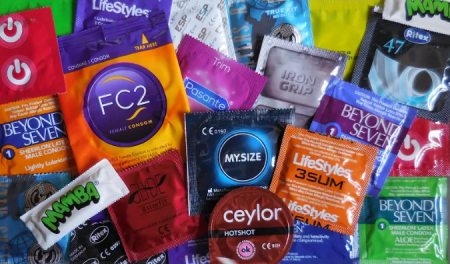
Prevention of STIs includes using barrier methods (condoms and dental dams), getting certain vaccines, and other behaviors. These infections are relatively common, half of all sexually active adults will get an STI by the age of 25 (according to CDC.gov) – https://www.cdc.gov/nchs/fastats/stds.htm.

From Planned Parenthood: STD Testing – How to Know if You Have an STD

There are many different STIs. Some are caused by bacteria and can be treated with antibiotics. These include chlamydia, gonorrhea, and syphilis.

Others are caused by viruses and do not have a cure, though treatments may still be available. These STIs include herpes simplex I and II, human papillomavirus (HPV), and human immunodeficiency virus (HIV). Some strains of HPV can be prevented through vaccination. HIV infection can lead to acquired immunodeficiency syndrome or AIDS if left untreated. However, people at risk for HIV infection can take a medication called Pre-exposure prophylaxis (PrEP).

There are also fungal and parasitic infections like trichomoniasis and pubic lice. These infections are treatable with special medications.

Many STIs are asymptomatic or have symptoms that are not very specific like a fever. Thus, it is important to get regular STI tests if you are sexually active. Untreated STIs can lead to pelvic inflammatory disease. Some STIs may be extra dangerous during pregnancy. Men who have sex with men have a higher risk of getting an STI, so testing and prompt treatment is very important.

.

Contraception and birth control

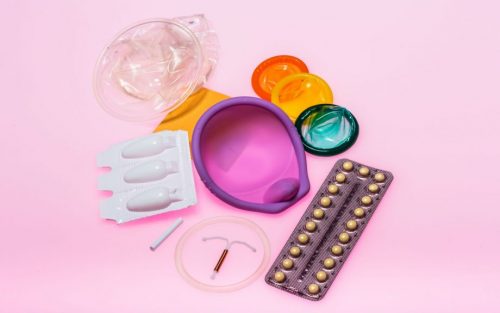
When people try to prevent or space out pregnancy, they are practicing contraception or birth control. There are several broad categories of birth control. Failure of birth control is measured by what number of people who use this method nevertheless become pregnant. The more a person uses a method of birth control, the more likely failure becomes (since there are several ways to fail to use contraceptive methods correctly). See graphs in this New York Times article showing typical and perfect-use effectiveness for several methods.

Barrier methods of contraception include the condom, the internal condom, the diaphragm, the cervical cap, and the contraceptive sponge. Many of these methods may be used together with spermicide.

Hormonal methods of contraception include the birth control pills, the vaginal ring, the patch, the shot, and the implant. Some intrauterine devices also contain hormones, while one IUD has no hormones and is copper-based.

Behavioral methods include abstinence, withdrawal, and fertility awareness methods.

Surgical methods of contraception are tubal ligation and vasectomy and are usually permanent.

If a person fails to use a contraceptive method or their chosen method fails (e.g. a condom tears), there is emergency contraception, which can be used up to 5 days after. The “morning-after” pill is most effective within 24 hours of unprotected sex.

However, pregnancy can still occur even when using these contraception methods. In that case, people should consider whether they want to continue being pregnant and giving birth. They may also consider abortion. There are two main methods of getting an abortion – the abortion pill, and the in-clinic abortion. There are many limits placed on both of these medical interventions by law, including the length of the pregnancy and the reasons for abortion. This year, the Supreme Court case that kept abortion legal in all states called Roe v. Wade was overturned, and many states have already placed severe limits on this medical procedure, in some cases making it impossible for people to obtain it. This will likely lead to many unwanted pregnancies and births and may result in more difficulties for the pregnant person, including traveling out of state to obtain abortion or trying methods to perform an abortion that may not be medically safe. However, there is wide access to abortion pills and many providers can prescribe these medications early in the pregnancy using telehealth. To read more about ways to access abortion, go here https://www.wired.com/story/guide-abortion-resources-post-roe-america/.